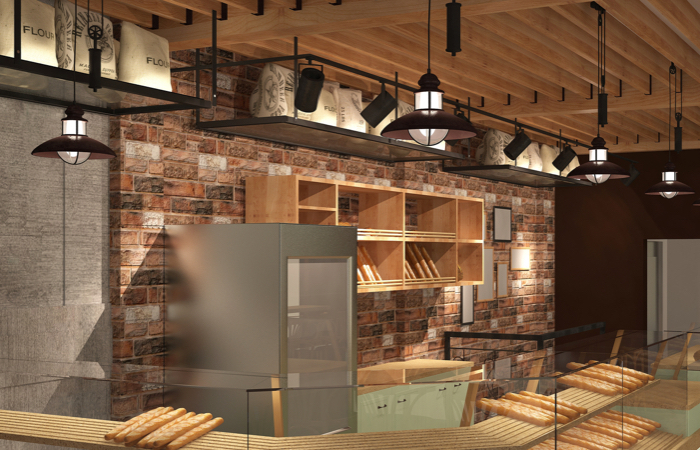
Brick is a great material that brings a lot of charm through its design and texture. It’s also a challenging material to work with, as it requires specialized installation with masonry.
If you’d like to use brick for your next design project or renovation, brick masonry veneer can offer a simpler and more versatile means of achieving this classic look, though it also comes with its own limitations that you’ll need to consider.
What is Brick Masonry Veneer

Masonry veneer is not the same as faux brick. A “veneer” describes either a thin or single layer of a substance. When we refer to masonry veneer, we’re describing a single layer (or wythe) of masonry — in this case brick — layered over structural support.
This layer, also called a brick façade, is cosmetic. The veneer sits on the actual structural supporting wall, which could be constructed of concrete, steel or wood. In construction, wood is the most common, as it’s cheaper, lighter and easier to work with than other construction materials.
Most “brick” houses built within the last 100 years are brick masonry veneer, not solid brick, as they are easier to construct, are overall less expensive and provide different design possibilities.
Pros of Masonry Veneers
- Brick masonry veneer is a less expensive build than solid masonry construction, as it requires fewer brick materials.
- As brick is not an effective insulator, the use of veneer allows for the addition of better insulation materials between the veneer masonry and the supporting structure.
- Since it doesn’t act as the supporting structure and weighs less than solid masonry, veneer can provide more design options when used as a façade over other materials.
Cons of Masonry Veneers
- Because brick veneer cannot act as foundation, it’s not structurally sound on its own. If it’s not constructed correctly, the brick veneer will pull away from the house itself over time.
- Masonry veneer is prone to collected water and ice, so it needs proper flashing and weeping devices to allow water to exit the cavity between the veneer and the structure foundation.
- Though it requires less work than solid brick masonry, skilled masonry is still required for the proper installation of a brick veneer.
What is Solid Brick Masonry?

Solid brick masonry is when the structural aspect of the house is constructed with bricks of 2-3 wythes. In this construction the brick serves as the foundation of the house, providing all the structural support. Some solid brick houses may use wood or steel framing.
All the wythes don’t need to be brick, as similar materials (such as cinder blocks) are also acceptable for use as the interior wythe. The wythes will pull apart over time, and so need to be connected by either:
- Header bricks, which run across both wythes
- Metal ties, which sit in between brick layers

Pros of Solid Brick Masonry
- Solid brick is a trusted and traditional construction technique that is structurally sound and secure, and when properly maintained, can last centuries.
- Brick is naturally weather resistant and can withstand heavy and sustained winds better than most other construction materials.
- Solid brick masonry that has wythes flush against each other do not require weep holes, as the interior brick will absorb and eventually vaporize outside water.
Cons of Solid Brick Construction
- While resistant to weather, brick isn’t waterproof — it absorbs water. If solid construction has a cavity between its wythes, then it needs well-maintained weep holes to prevent water damage over time.
- Construction of a solid brick wall costs more than a masonry veneer, both in both the cost of materials and skilled labor.
- Taller walls increase the chance that wythes may separate, so careful use of header bricks or metal ties need to be used within the construction.
- The heavy weight and complicated construction can limit your build options. Solid brick walls are essentially limited to the outdoors.
Solid Brick vs. Masonry Veneer Construction
| Brick Masonry Veneer | Solid Brick Construction | |
| Build Options | Can be used indoor and outdoor | Limited to outdoor |
| Strength and Stability | Dependant on supporting materials; weep holes require maintenance over time. | High, though outer layers may require patching and repair over time. |
| Weather Resistance | Dependant on supporting structure; requires weep holes to prevent water damage. | Highly wind resistant; solid construction is naturally resistant to water damage. |
| Construction Requirements | Skilled masonry | Skilled masonry |
| Cost | Lower due to fewer materials and less time to construct than solid brick | High cost due to fairly high cost of materials and skilled labor requirements |
Curious about the specific details regarding the cost of materials and installation? See our comparison table for a full breakdown of costs.
How to Tell If Your Home is Brick or Brick Veneer
Curious if an existing structure is made of solid brick construction or is brick masonry veneer? Before you hire an inspector, here are some ways you can investigate on your own:
- Look at the brick pattern – If you see half bricks in the pattern, then these are likely signs of header bricks, which must be used in solid brick construction. If you don’t see any header bricks, the structure could still be double brick using metal ties for the wythes, as those are not visible.
- Examine the window frames – The heavy weight of solid brick construction requires the placement of arches over windows, otherwise the frame risks collapsing. Brick arch construction over every window could be a sign of solid brick.
- Remove a power outlet – Take a look behind a power outlet. If you can see brick directly behind the drywall, then it’s likely solid brick construction. Seeing an open space indicates that it’s probably veneer.
- Look for weep holes – Search outside for small openings between the bricks at the bottom the walls of your home. Weep holes are needed for brick veneer, though they may also be present on solid brick construction that has a cavity between wythes.
- Measure the wall – Use a tape measure to determine the distance of the outer layer of brick to the inside wall. If it’s at least a foot, it’s likely solid brick construction.
A Simpler Option to Achieve the Look of Brick
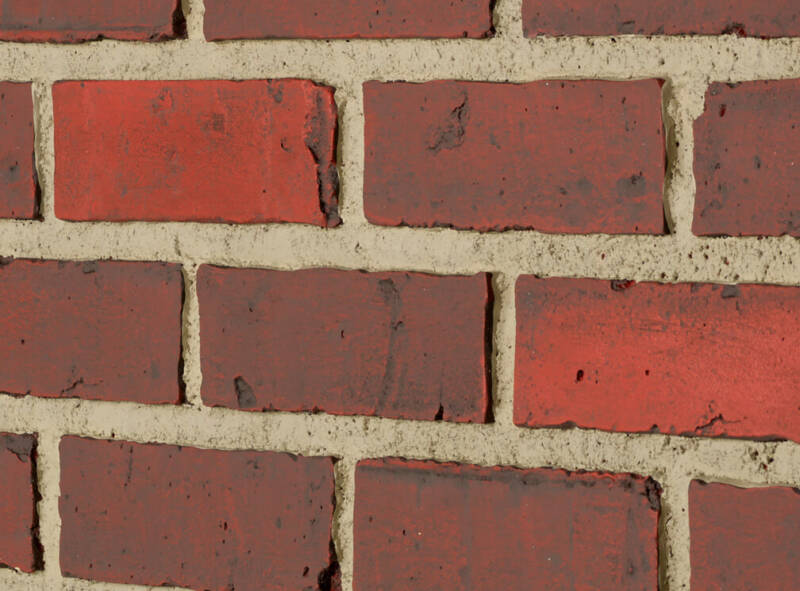
While brick masonry veneer is easier to install and provides some cost savings over solid brick, it’s not the only way to achieve a classic brick style. Faux brick wall panels are lightweight and easy to install, making them an even quicker and simpler way to add the timelessness of brick to your home.
Texture Plus faux brick wall panels are incredibly realistic and are perfect for indoor or outdoor application. They’re durable, long-lasting and designed to withstand the elements. There’s no need to hunt down colors or styles as they’re available in a wide range of realistic, custom designs. Best of all, they’re easy to install yourself with no need to hire a mason.
All of our styles, prices, and colors can be found on our product page. Contact us If you have any product or installation questions. We’re always happy to help!
Common Brick Masonry and Brick Veneer Terms
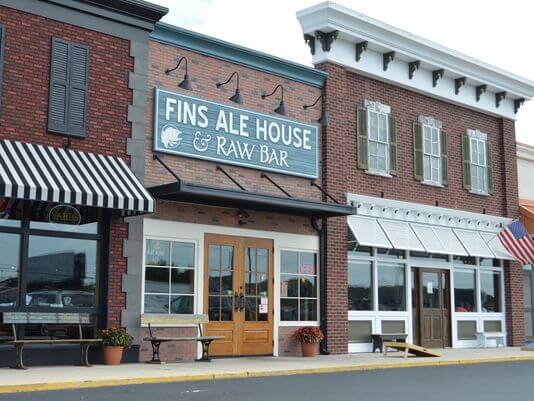
- Brick and block masonry: Solid brick construction that uses header bricks to stabilize both wall layers.
- Brick mortar: A workable paste that hardens to bind individual building units. Brick mortar comes in different levels of strength, durability and support.
- Brick siding: Another term for brick veneer or brick façade.
- Cavity brick: Construction style that has an air space between two brick layers.
- Cladding: An exterior layer used to cover a wall for ornamental purposes, brick veneer is a type of cladding.
- Double brick: Construction style made of two brick layers with a wooden or steel framing.
- Faux brick: Non-brick material that mimics the look of real brick.
- Full brick: Construction style where the structure is entirely brick, with no wood or steel components.
- Masonry: Construction style that lays and binds individual units — usually brick, concrete blocks or stone — with mortar.
- Thin brick: Thinner bricks made from a mix of clay, gravel and cement, used exclusively for veneer layers.
- Wythe: A single structural layer of masonry (brick, cinder block or stone).
- Header brick: Bricks placed sideways to connect two different wythes.